
The Future is Bright: How AI is Revolutionizing LED Ad Marketing
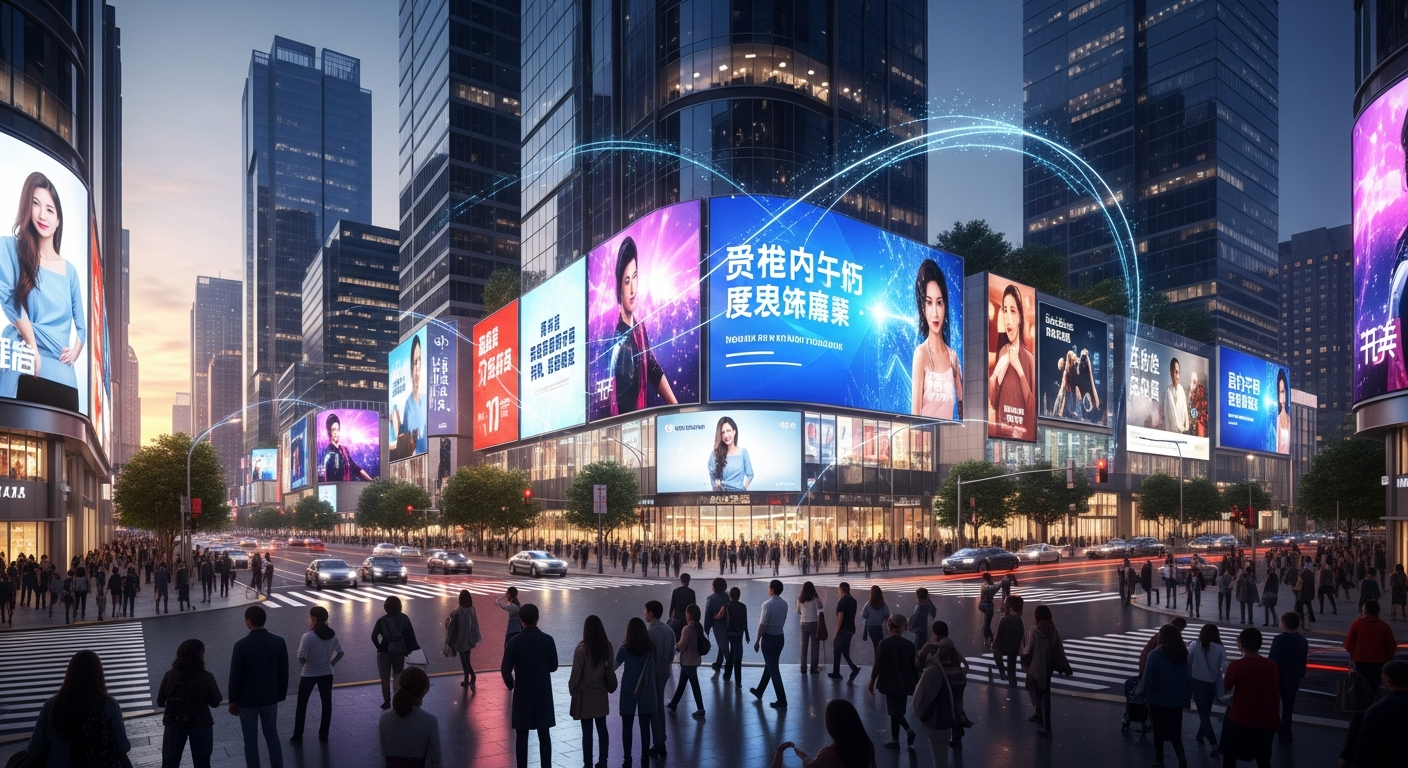
In the bustling landscape of modern advertising, standing out is no longer a luxury—it's a necessity. For years, LED billboards have dominated cityscapes, offering a vibrant and dynamic canvas for brands. However, their evolution has reached a pivotal moment with the integration of Artificial Intelligence (AI). The fusion of AI and LED advertising isn't just a minor upgrade; it's a paradigm shift that is redefining the future of out-of-home (OOH) marketing. This article explores the transformative power of AI in LED ad marketing and what it means for businesses ready to embrace the future.
The Current State: From Static Displays to Digital Canvases
Traditional OOH advertising relied on static images and broad messaging. The advent of digital LED screens introduced the ability to run multiple ads, schedule content, and display eye-catching animations. This was a significant leap forward, but the core strategy remained largely one-to-many. The messaging was the same for every person who passed by, regardless of the time of day, weather, or local events. While effective for brand awareness, this approach lacked the precision and personalization that defines modern digital marketing.
The AI Revolution: Intelligence Meets Illumination
Artificial Intelligence introduces a layer of cognitive power to LED advertising, transforming passive screens into responsive, intelligent marketing platforms. AI algorithms can process vast amounts of real-time data to make autonomous decisions, ensuring that the right message is shown to the right audience at the perfect moment. Here’s how AI is making its mark.
1. Hyper-Personalization at Scale
Imagine an LED billboard that changes its content based on the immediate environment. AI makes this possible by analyzing real-time data streams, such as:
- Weather Conditions: A clothing brand can automatically switch from advertising t-shirts to raincoats the moment it starts to drizzle.
- Traffic Patterns: During rush hour, a restaurant's ad can promote a quick drive-thru dinner, while during slower periods, it might advertise a dine-in special.
- Audience Demographics: Using anonymized mobile data and computer vision, AI can identify the general demographics of a crowd (e.g., business professionals, tourists, families) and serve ads that are most relevant to them.
This level of contextual relevance ensures that advertisements are not just seen but are genuinely helpful and engaging, dramatically increasing their effectiveness.
2. Predictive Analytics for Optimal Campaign Placement
Choosing the right location for an LED billboard has always been a mix of art and science. AI tips the scales firmly towards science. By analyzing historical traffic data, demographic information, and even social media trends, predictive analytics models can identify the optimal locations and times to run specific campaigns. This data-driven approach maximizes ROI by ensuring marketing budgets are spent on placements with the highest probability of reaching the target audience.
3. Dynamic Creative Optimization (DCO)
In the world of online advertising, DCO is a powerful tool where AI tests countless variations of an ad to find the most effective combination of images, headlines, and calls-to-action. This technology is now coming to LED advertising. An AI-powered system can A/B test different ad creatives in real-time, measure audience engagement through sensors, and automatically prioritize the best-performing versions. This continuous optimization loop ensures that campaigns become more effective over time without manual intervention.
4. Enhanced Audience Measurement and Analytics
One of the biggest challenges for OOH advertising has been measuring its impact. AI-powered analytics provides a solution. Integrated cameras and sensors can (while respecting privacy regulations) provide rich data on:
- Impressions: Accurately count the number of people who viewed an ad.
- Dwell Time: Measure how long people looked at the screen.
- Sentiment Analysis: Gauge the emotional reaction of the audience.
- Conversion Tracking: Link OOH ad exposure to online actions or in-store visits.
This granular data allows marketers to quantify the success of their campaigns and justify their marketing spend with concrete evidence.
E-E-A-T: Building Trust in an AI-Driven Marketing World
As we embrace these technological advancements, it's crucial to adhere to Google's E-E-A-T (Experience, Expertise, Authoritativeness, and Trustworthiness) principles. At Digital film marketing, we believe this framework is essential for navigating the future responsibly.
- Experience & Expertise: While AI provides powerful tools, human strategy remains indispensable. Our expertise in marketing ensures that AI is guided by sound principles and creative vision, turning raw data into compelling brand stories.
- Authoritativeness: Becoming an authority in AI-driven advertising means leading the charge in ethical implementation. This involves a commitment to transparent data usage and adherence to privacy standards.
- Trustworthiness: Trust is the cornerstone of any successful marketing campaign. For AI in LED advertising, this means being transparent with the public about how data is used and ensuring that personalization never crosses the line into intrusion.
Challenges and the Path Forward
The road to a fully AI-integrated advertising landscape is not without its challenges. Concerns around data privacy are paramount, and regulations like GDPR must be strictly followed. The potential for algorithmic bias is another area that requires careful monitoring and human oversight to ensure fairness and inclusivity in advertising.
However, the potential benefits are immense. The future of LED ad marketing is intelligent, responsive, and incredibly effective. It's a future where advertisements are less about interruption and more about providing timely, relevant value to the consumer.
Conclusion: Embracing a Brighter Future
The integration of AI into LED ad marketing is transforming digital billboards from simple displays into sophisticated, data-driven communication platforms. By leveraging hyper-personalization, predictive analytics, and dynamic optimization, businesses can create campaigns that are more efficient, measurable, and impactful than ever before. As this technology continues to evolve, partnering with an experienced agency like Digital film marketing will be key to harnessing its full potential and illuminating the path to marketing success.