

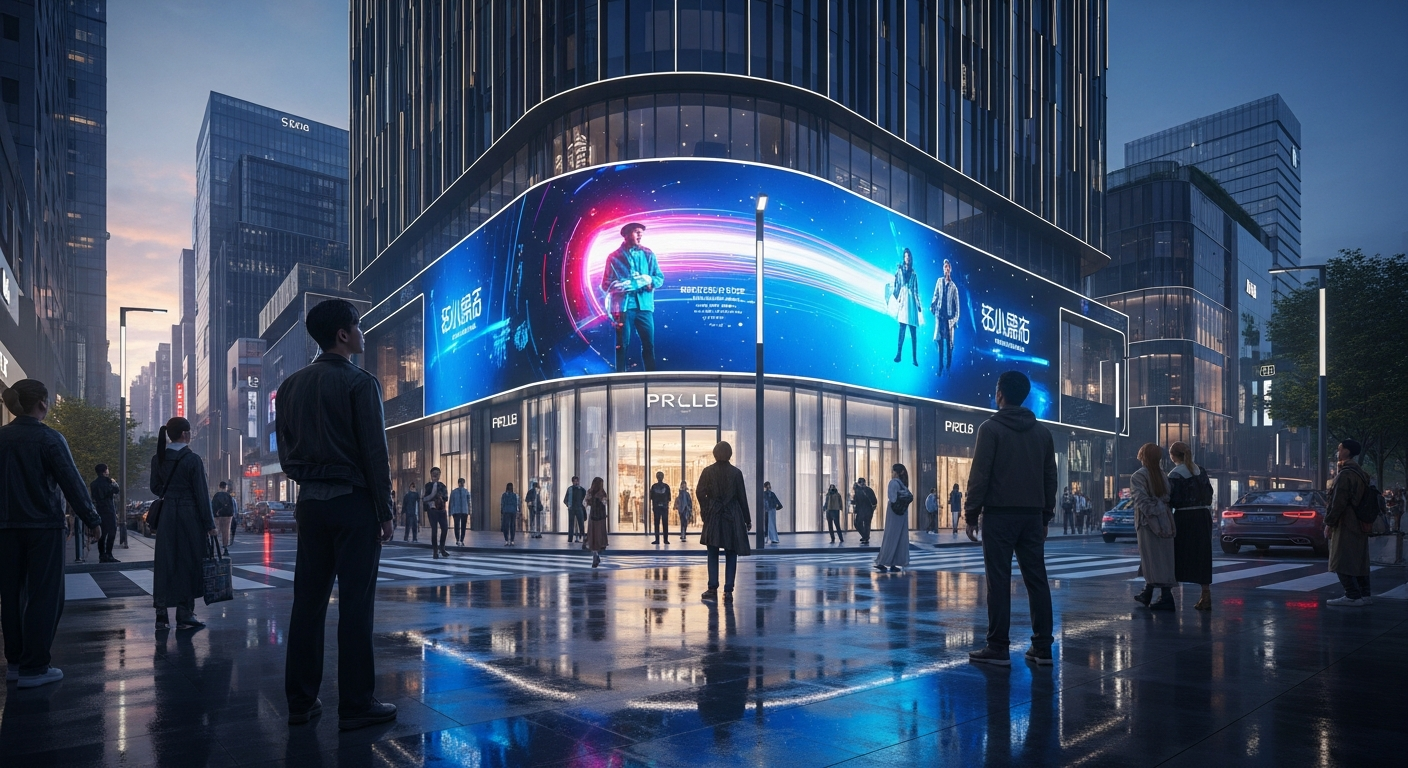
Why LED Screens Will Be Indispensable for Business Success in 2026
As we accelerate towards 2026, the business landscape is undergoing a radical transformation. The digital-first consumer, bombarded with information from countless channels, has become increasingly numb to traditional advertising methods. The static billboard, the forgettable print ad, and the passive poster are losing their power. In this fiercely competitive environment, businesses must find new, compelling ways to capture attention and communicate their value. Enter the LED screen—no longer a novelty for Times Square, but a fundamental tool for business survival and growth.
By 2026, leveraging high-impact LED advertising will not be an option; it will be a core component of any successful marketing strategy. These dynamic canvases offer an unparalleled ability to engage audiences, drive sales, and build lasting brand recognition. Let's explore the critical reasons why LED screens are poised to become an indispensable asset for businesses of all sizes.
Unmatched Visual Impact and Dynamic Content Delivery
The primary advantage of LED screens lies in their sheer visual power. Unlike traditional media, which is static and easily ignored, an LED display commands attention. Here's how:
- Superior Brightness and Clarity: Modern LED technology delivers vibrant colors and exceptional brightness that cut through ambient light, making them highly effective day or night, indoors or outdoors. In 2026, advancements in pixel pitch and HDR technology will mean displays are crisper and more lifelike than ever before.
- The Power of Motion: The human eye is naturally drawn to movement. LED screens allow for full-motion video, slick animations, and seamless transitions. This dynamic capability turns a simple advertisement into a captivating story, significantly increasing viewer engagement and message retention compared to a static image.
- Instantaneous Updates: The world of 2026 moves fast, and your advertising must keep pace. With an LED screen, a business can update its messaging in real-time. Announce a flash sale, promote a daily special, showcase a live social media feed, or even display emergency information instantly, without the delays and costs associated with printing and installation.
Hyper-Personalization and Data-Driven Advertising
The future of effective marketing is data. By 2026, the integration of AI and IoT with Digital Out-of-Home (DOOH) LED advertising will unlock unprecedented levels of personalization. LED screen networks will function as intelligent communication hubs, not just passive displays.
Imagine a retail store's outdoor LED screen connected to data sensors. The system could analyze anonymous data points like traffic flow, weather conditions, and time of day to trigger the most relevant content. For example:
- On a cold, rainy morning, the screen promotes hot coffee and warm pastries.
- During the evening rush hour, it displays ads for quick, ready-to-eat dinner solutions.
- When sensors detect a large crowd gathering nearby, it could switch to a high-impact brand awareness video.
This level of programmatic advertising ensures that the right message reaches the right audience at the most impactful moment, dramatically increasing conversion rates and optimizing marketing spend.
The Rise of Interactive and Experiential Marketing
Consumers in 2026 will crave experiences, not just products. LED screens are the perfect gateway to creating immersive and interactive brand moments. The technology is evolving beyond simple displays to become a focal point of customer engagement.
We will see a widespread adoption of:
- Interactive Touchscreens: Large-format LED touchscreens in retail environments, transit hubs, and public spaces will allow users to browse product catalogs, play brand-related games, or customize a virtual product.
- Augmented Reality (AR) Integration: A customer can stand in front of an LED screen, and using their smartphone or integrated cameras, see themselves interacting with a virtual product or brand mascot, creating a shareable social media moment.
- QR Code and NFC Triggers: Seamlessly bridge the physical and digital divide. A stunning visual on an LED screen can prompt a viewer to scan a code to receive an exclusive discount, download an app, or access more detailed information, providing a measurable call to action.
Superior ROI and Long-Term Cost-Effectiveness
While the initial capital outlay for an LED screen may seem significant, its long-term return on investment (ROI) far surpasses that of traditional advertising. When planning for 2026, businesses must consider the total cost of ownership and the revenue-generating potential.
The financial benefits are clear:
- Elimination of Recurring Costs: Say goodbye to the endless cycle of designing, printing, shipping, and installing physical banners and posters. All content is managed digitally, saving significant time and money.
- Multiple Revenue Streams: A single LED screen can be programmed to display advertisements for multiple products, services, or even third-party businesses, turning a marketing expense into a source of revenue.
- Increased Sales and Foot Traffic: The enhanced visibility and dynamic nature of LED advertising directly correlate with increased customer interest and a measurable lift in foot traffic and sales.
- Durability and Longevity: Commercial-grade LED screens are built to last, with long lifespans and lower energy consumption than older technologies, reducing maintenance and operational costs over time.
Sustainability: A 2026 Business Imperative
By 2026, corporate social responsibility and sustainability will be key drivers of consumer choice. Businesses that demonstrate a commitment to environmentally friendly practices will hold a distinct competitive advantage. LED screens contribute positively to this goal by drastically reducing the waste associated with paper and PVC vinyl-based print advertising. Modern LEDs are also increasingly energy-efficient, and their longevity means less electronic waste over the long term. Highlighting the use of this technology can become a valuable part of a brand's green credentials.
Conclusion: Illuminating Your Brand's Future
Looking ahead to 2026, it's clear that LED screens are more than just bright signs; they are strategic business assets. They are the nexus of visual impact, data-driven intelligence, customer interaction, and sustainable practice. Businesses that fail to integrate this powerful technology into their marketing and communication strategies risk becoming invisible in an increasingly crowded marketplace. To connect with the consumer of the future, deliver unforgettable brand experiences, and drive sustainable growth, the path forward is clear—and it's illuminated by the brilliant, dynamic power of LED.